Discover cross-tier applications that simplify business practices with your servicing distributors. Whether you operate an on- or off-premise account, VIP tools streamline how you take bar inventory, communicate pricing, and manage orders.
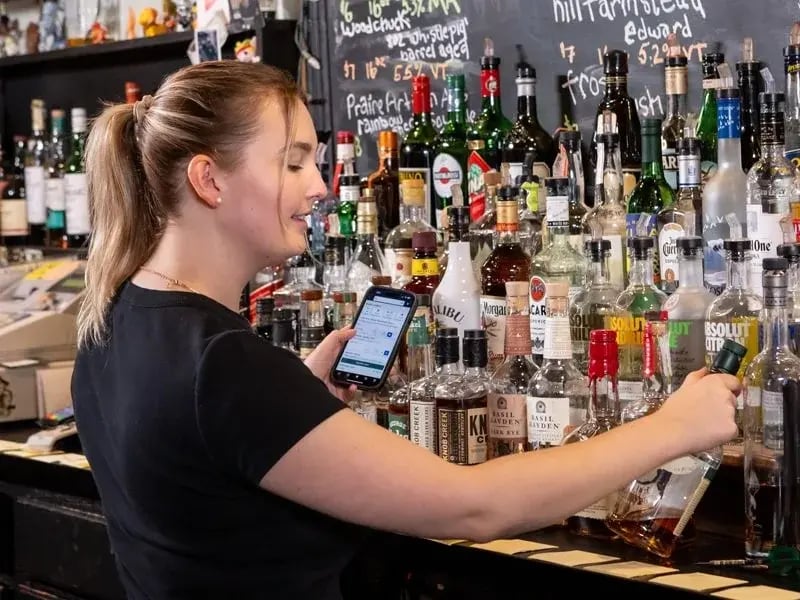
With Backbar in your back pocket, you can ditch your inventory spreadsheets and checklists, all while saving time and cutting costs. Backbar is a free mobile app in the VIP family of solutions that you and your staff can use to:
You can download Backbar directly from the app store for both iOS and Android devices.


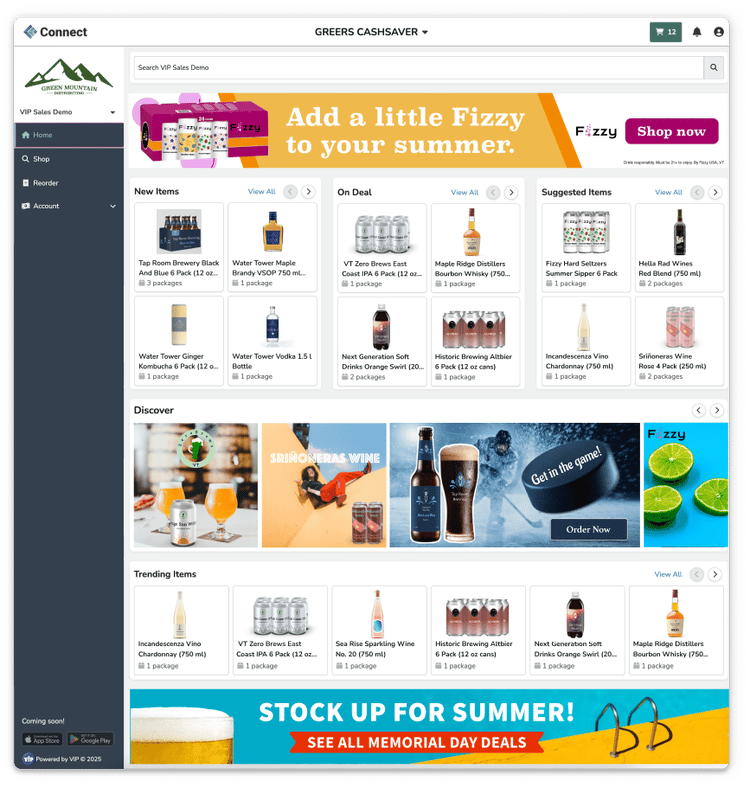
Connect is VIP’s next generation ecommerce platform that will transform how you place orders. Not only can you submit orders anytime, review your A/R, and make payments, but Connect also takes it to the next level with:
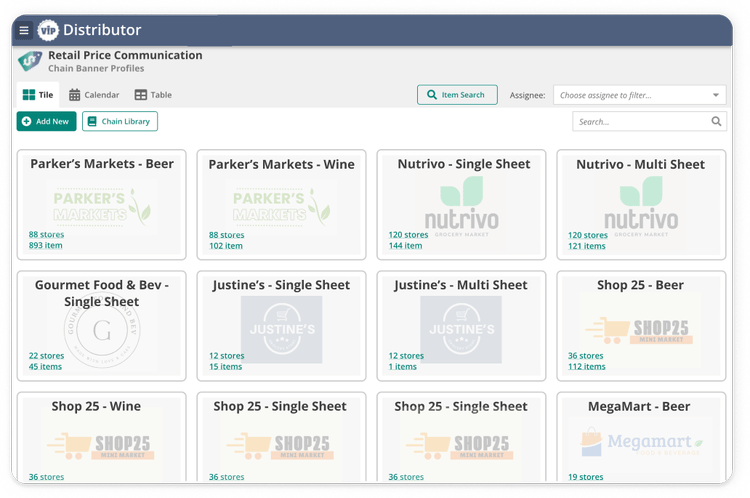
RPC is a tool that distributors use to automate how they report pricing to chains. If you operate chain stores, you can also take advantage of RPC's powerful capabilities. Through RPC's integration with electronic data exchange (EDI), you can automatically receive item authorizations and pricing data into your system, in your required format.

99 Bottles simplifies the complex processes of cost collection, retail price-setting, and new item management without the need for manual work or spreadsheets.
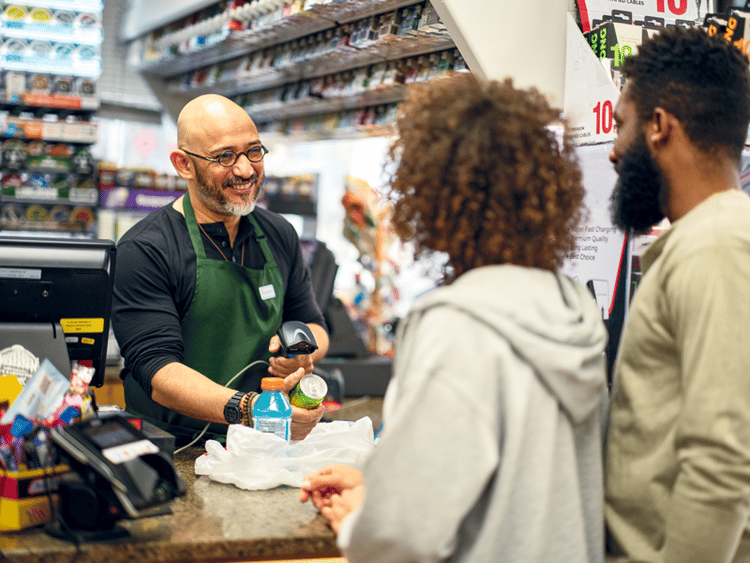
Beverage retailers are the final and most visible step in the supply chain — where products meet consumers. Retailers include package stores, grocery chains, bars, restaurants, tasting rooms, and online storefronts. Their role extends beyond transactions; retailers influence discovery, preference, and long-term brand loyalty.
In both alcohol and non-alcohol beverage markets, retailers serve as the primary point of purchase and education. The way products are selected, displayed, and supported shapes how consumers perceive brands and categories alike.
Retailers manage a combination of commercial, operational, and compliance-driven responsibilities, including:
Together, these activities determine not only what sells, but how efficiently inventory moves and how customers experience a brand.
Retailers vary widely in format, scale, and customer focus.
Off-premise retailers that specialize in wine, spirits, beer, and specialty beverages. These stores often emphasize curated selections, knowledgeable staff, and local or premium offerings.
Bars, restaurants, tasting rooms, and hospitality venues where beverages are consumed on site. These retailers focus on experience, pairing, and brand storytelling.
High-volume retailers that integrate beverage sales into broader shopping trips. These formats prioritize availability, consistency, and efficient replenishment.
E-commerce platforms and marketplaces that offer delivery, pickup, or subscription-based beverage sales. Digital retailers emphasize convenience, discovery, and personalized recommendations.
Retailers are closest to the end consumer, giving them unique insight into buying behavior, emerging trends, and product performance. Their decisions directly influence:
Because of this proximity to demand, retailers play a critical role in shaping the broader beverage ecosystem.
Retailers operate in a fast-moving, competitive environment. Common challenges include:
Addressing these challenges requires clear communication with distributors and consistent access to reliable data.
High-performing beverage retailers tend to share several traits:
These qualities help retailers remain competitive while supporting healthier supplier and distributor relationships.
Retailers close the loop in the beverage supply chain. Their purchasing decisions and sales performance inform distributor planning and supplier strategy, creating a feedback cycle that keeps products aligned with real consumer demand.
When retailers, distributors, and suppliers operate with shared visibility and aligned goals, the entire ecosystem becomes more responsive, efficient, and resilient.